


Glazing
Properties such as thermal efficiency, acoustic control, solar performance, and security can often be combined within a single insulating glass unit, allowing for a considered balance of performance and appearance. Our team can guide you through these variables to determine the most appropriate specification for your project.
01
Single Glazed

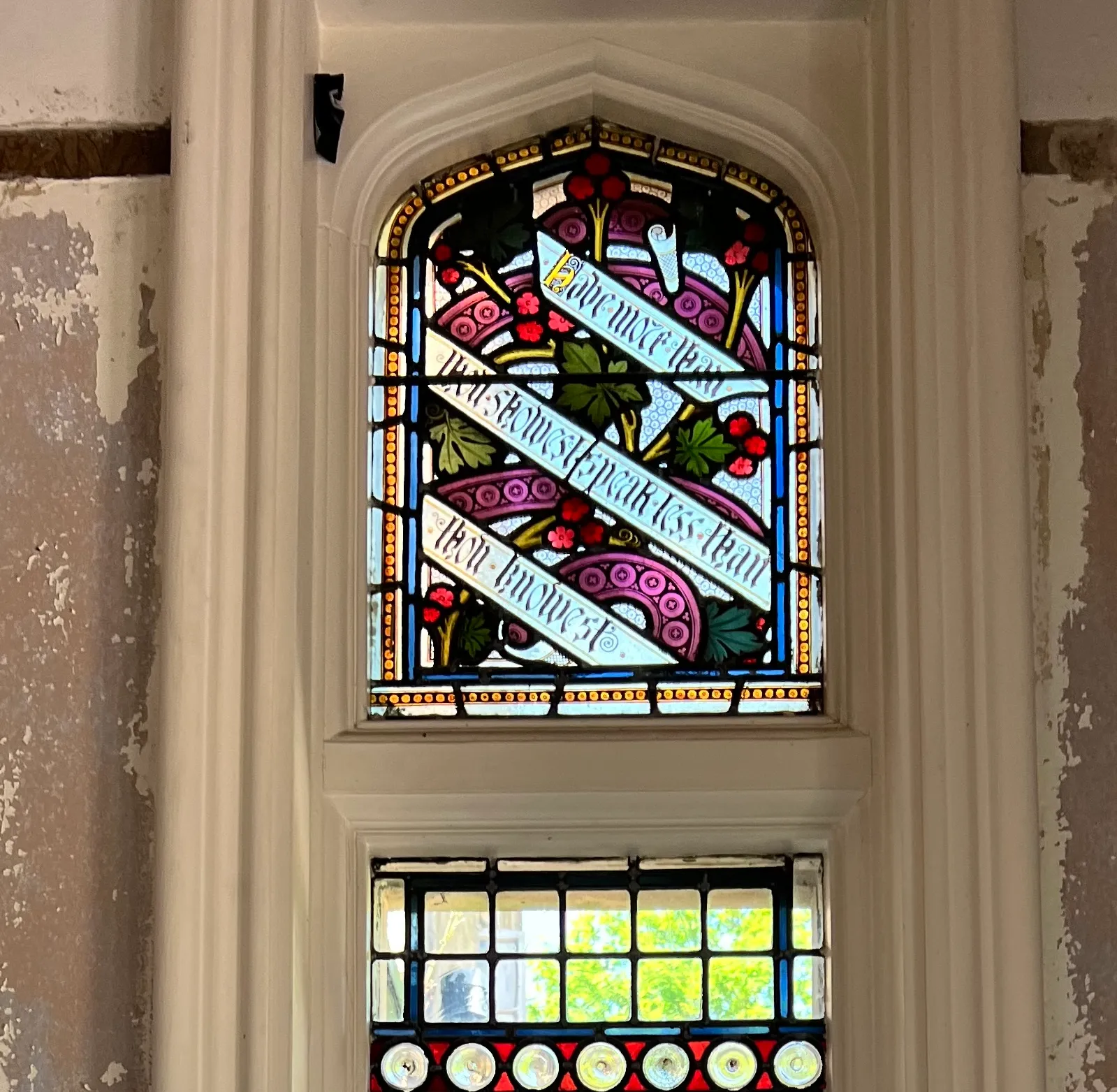
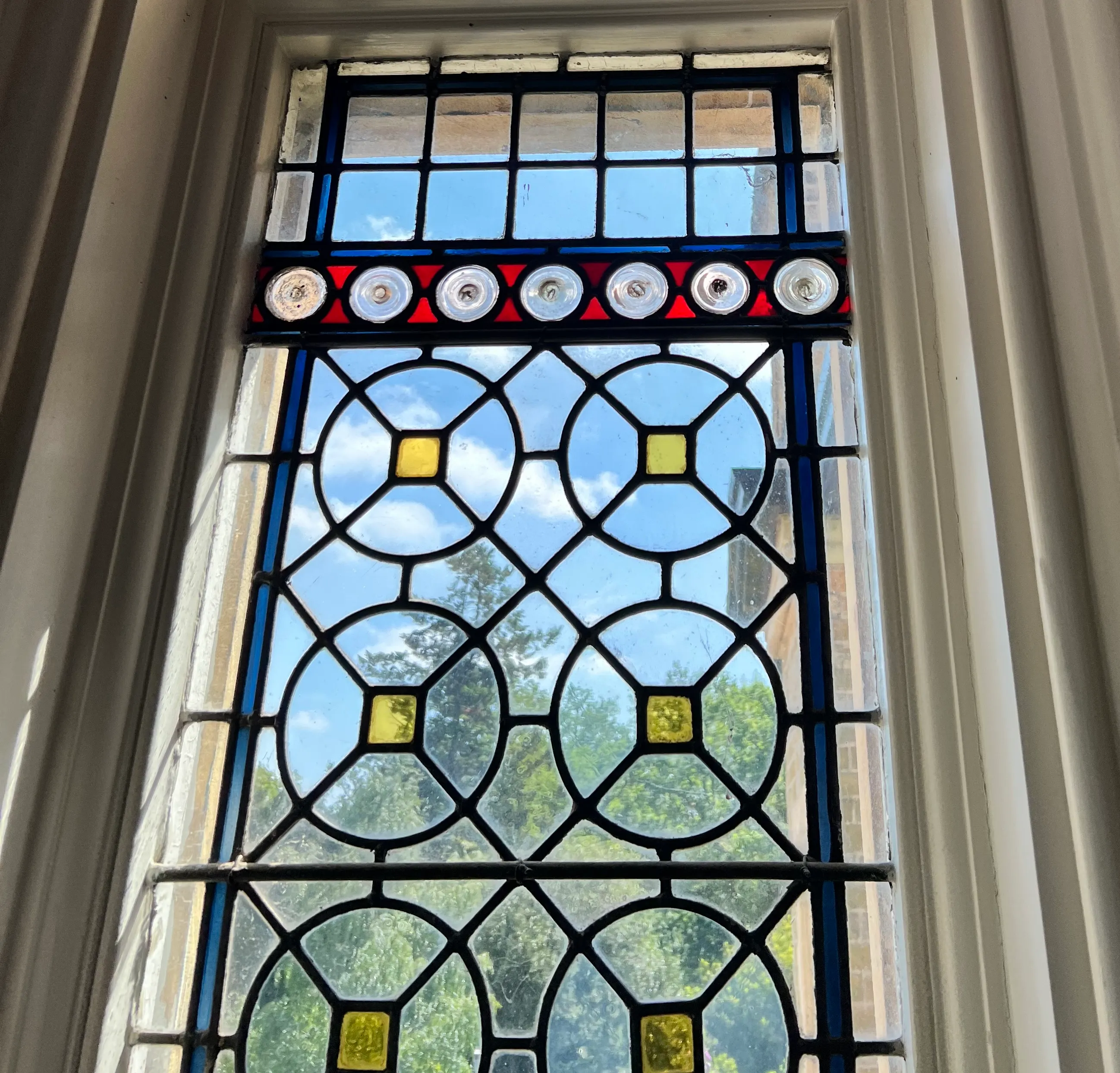
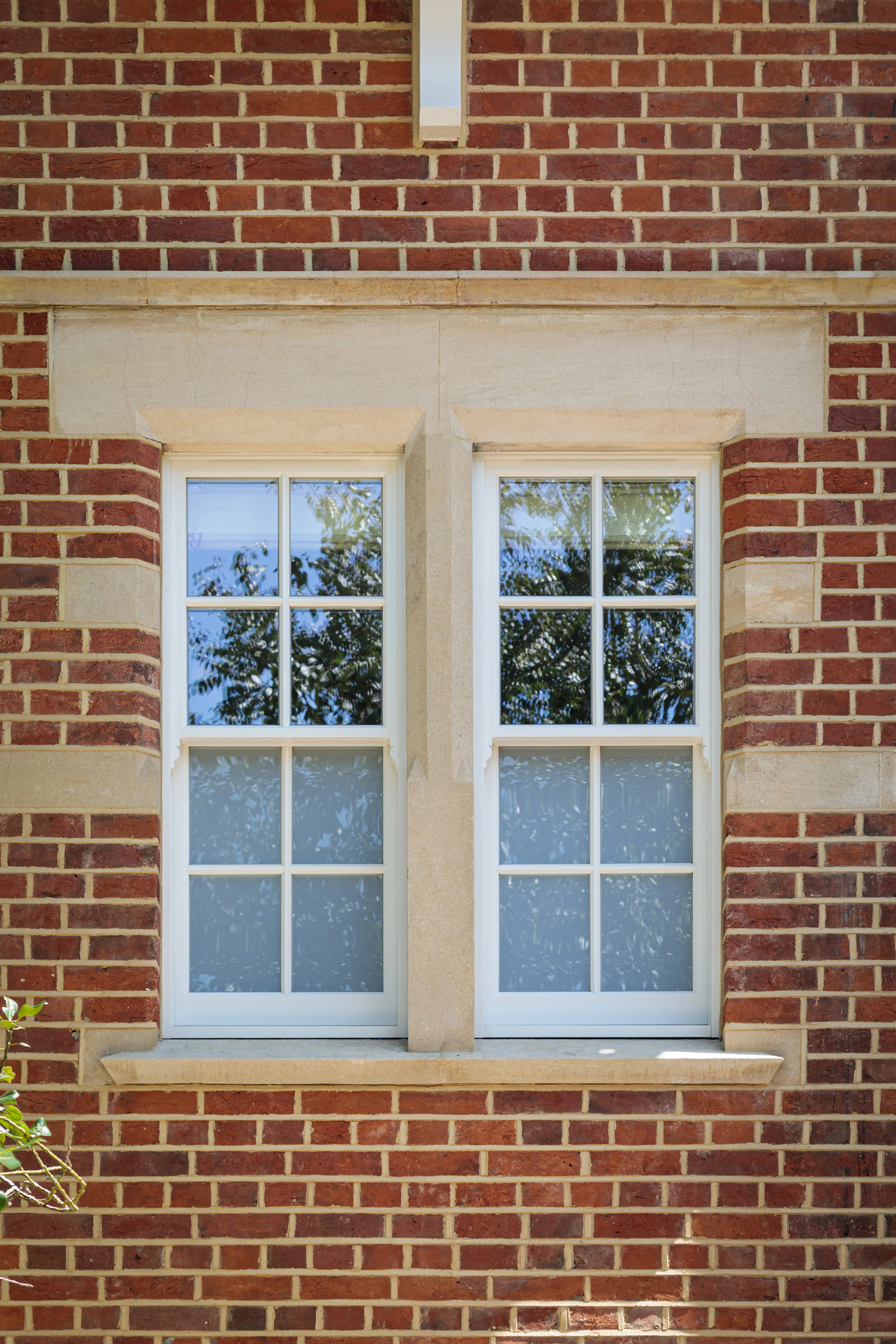
Single glazing consists of a single pane of glass, typically around 4mm thick, with no insulating cavity, resulting in very low thermal and acoustic performance compared to modern units. It is commonly used in heritage and conservation contexts, where glass is traditionally fixed with putty into timber frames and divided by glazing bars to maintain historic proportions.
02
Double Glazed
Double glazing is the standard glazing solution used in most modern doors and windows, offering reliable thermal performance in line with current building regulations. It consists of two panes separated by a sealed cavity, typically gas-filled to enhance insulation, commonly specified as a 24mm (4-16-4) unit. Widely used across residential and commercial applications, it provides a balanced combination of efficiency, comfort and performance, while allowing flexibility in the specification of inner and outer panes to suit specific project requirements.
03
Triple Glazed
Triple glazing consists of three panes separated by two sealed cavities, delivering enhanced thermal insulation and improved acoustic performance compared to standard double glazing. It is often specified where higher energy performance or increased comfort is required, such as in exposed or low-energy buildings. However, the increased overall thickness and weight can impact frame dimensions, hardware and sightlines, and may reduce solar gain, requiring careful consideration within the overall design.
04
SlimLine Glazing
Slimline glazing is a reduced-thickness insulating glass unit designed to achieve a refined, narrow sightline while maintaining effective thermal performance. Typically comprising slim double glazing with a narrow cavity, it improves insulation compared to single glazing while allowing for more slender glazing bars and frame profiles. Advanced spacer bars and inert gas filling enhance thermal efficiency, while low-emissivity coatings reduce heat loss. Slimline units can also provide good acoustic performance and are often specified where maintaining traditional proportions or minimising visual bulk is essential.
05
Vacuum Glazing
Standard vacuum glazing (such as LandVac or Fineo) is a high-performance insulating glass unit designed to maximise thermal efficiency using a vacuum cavity between two panes, significantly reducing heat transfer through conduction and convection. Typically manufactured with an overall thickness of around 6–10mm, it offers a much slimmer profile than conventional double or triple glazing while achieving comparable or superior thermal performance. With a slightly greater build-up than heritage vacuum units, it prioritises performance and robustness within contemporary glazing systems, and is suited to deeper rebates and modern frame profiles where achieving very low U-values is the primary driver. Micro-support pillars maintain the vacuum cavity and structural integrity; minimally visible but may be perceptible in certain lighting or at close range.
06
Heritage Vacuum Glazing
Heritage vacuum glazing is a high-performance glazing solution engineered to deliver exceptional thermal efficiency within ultra-slim, traditional profiles. Using a vacuum cavity between two panes, it achieves very low heat transfer in a unit comparable in thickness to single glazing. Designed specifically for conservation and period applications, it features a reduced overall build-up, discreet edge detailing and minimal visual interruption, allowing it to integrate seamlessly into narrow glazing bars and existing rebates. This makes it ideal where maintaining authentic proportions and appearance is as important as improving thermal and acoustic performance.
Enhanced resistance to impact and forced entry, using thicker or multi-layer laminated build-ups.
A specialist coating reduces solar heat gain, limiting overheating and glare while maintaining natural light.
Thermally processed for increased strength, shattering into small blunt granules rather than sharp shards.
Two or more panes bonded with an interlayer, remaining adhered if broken, with added UV filtering.
Differing pane thicknesses and an acoustic interlayer reduce sound transmission across a wider frequency range.