


Profiles & Mouldings

TRUE GLAZING BARS
(True through bars)
PROCESS
Represents the traditional method used in historic joinery. Structural timber members that divide the window into individual panes. Each pane is glazed separately.Putty glazing: refers to the traditional external finish used to secure the glass within the frame or glazing bars.
COST
This option typically incurs higher cost due to the expert craftsmanship involved in the hand made production.
HERITAGE COMPLIANCE
Often required in conservation areas or listed buildings.

APPLIED GLAZING BARS
(Applied astragal bars)
PROCESS
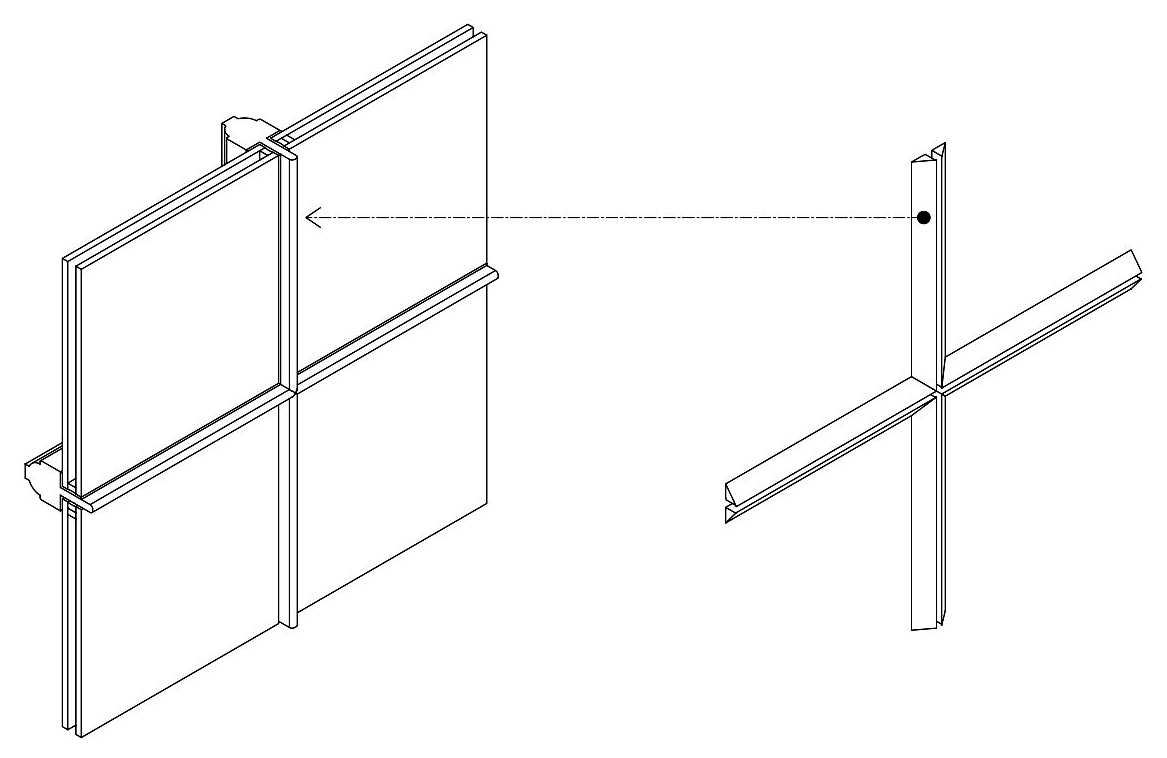
Bars are applied to the internal and external faces of a double or triple glazed unit.Provides the look of traditional glazing while maintaining modern thermal performance.
COST
Applied glazing bars are more cost-efficient as they simplify the manufacturing process.
HERITAGE COMPLIANCE
Applied glazing bars may be more suitable for properties without stringent planning constraints, though this can vary depending on local authority requirements.
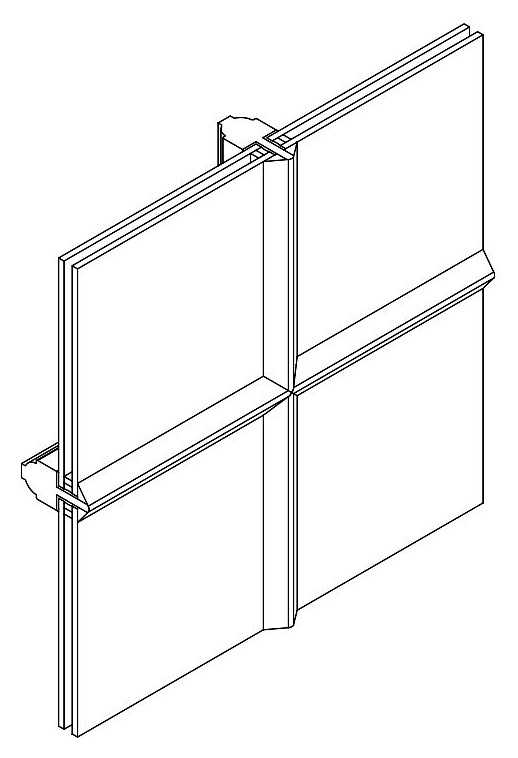
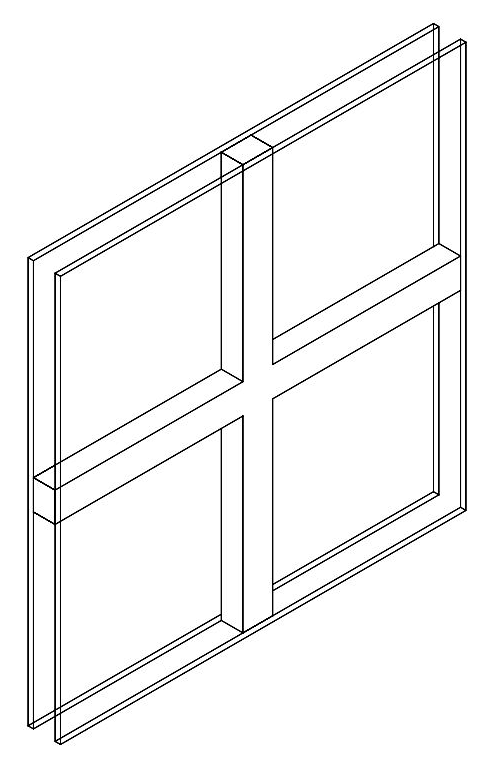
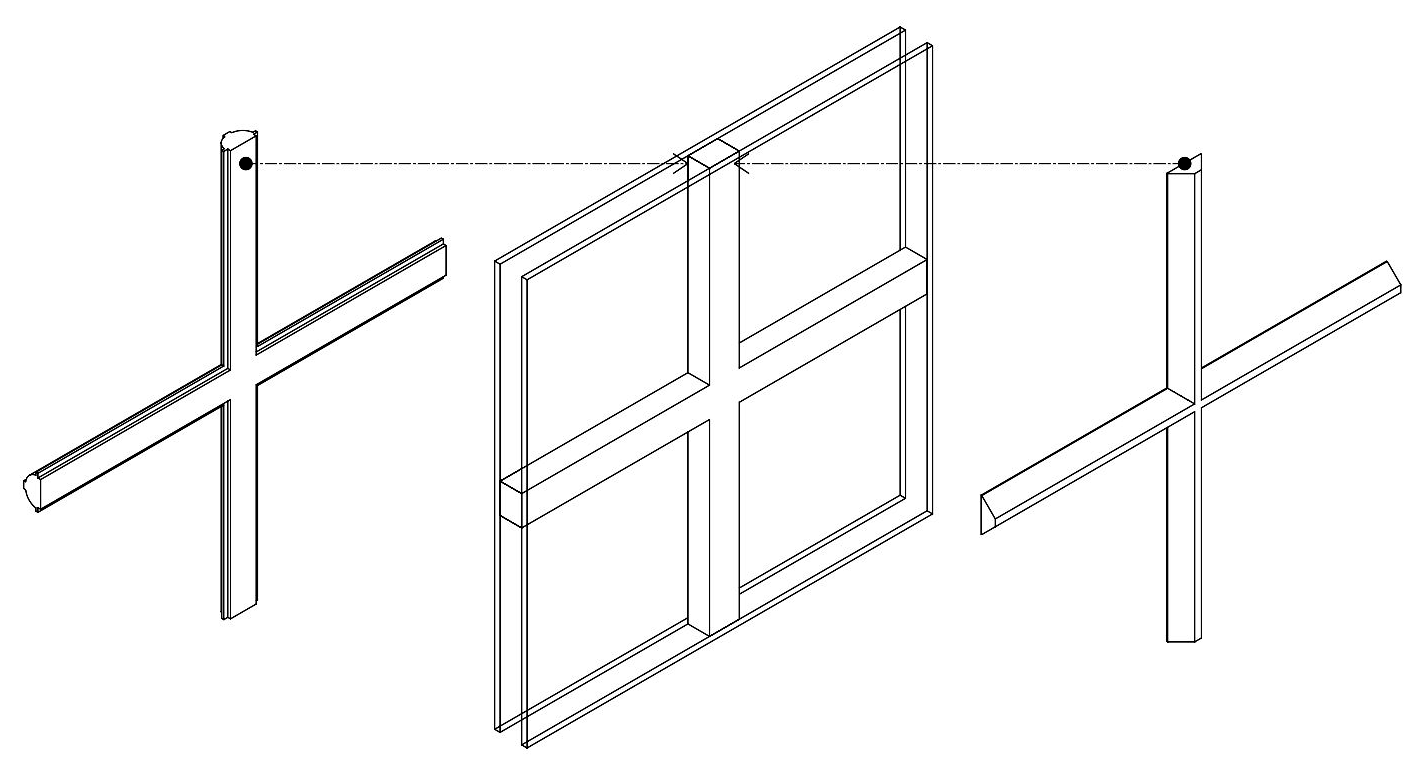
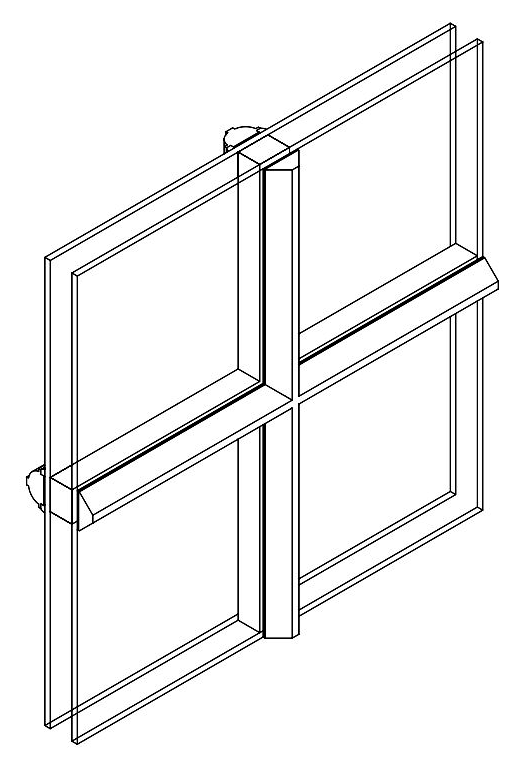
The diagrams below set out, step by step, how each glazing bar type is built into the finished window.

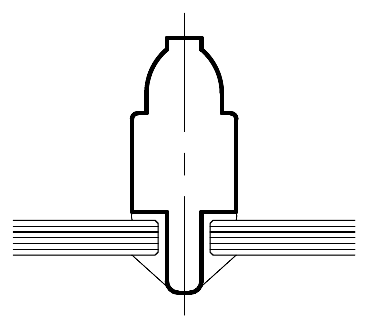
GLAZING PANELS ARE SET WITHIN THE TRUE BARS

PUTTY IS APPLIED TO SECURE THE GLAZING

FINISHED PUTTY GLAZING

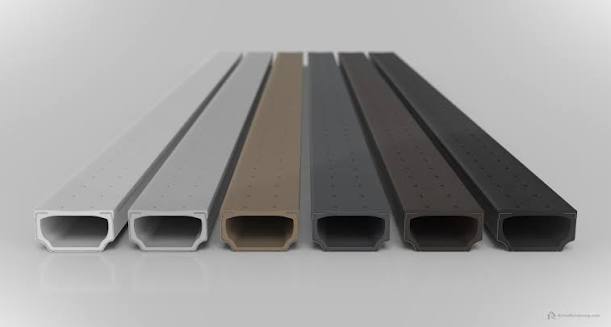
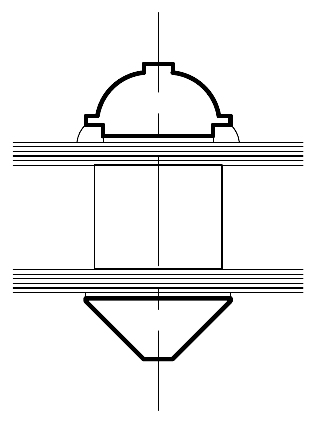
DUPLEX SPACER BAR WITHIN THE SEALED UNIT

APPLIED BARS FIXED IN PLACE OVER THE DUPLEX SPACER

FINISHED APPLIED GLAZING BARS
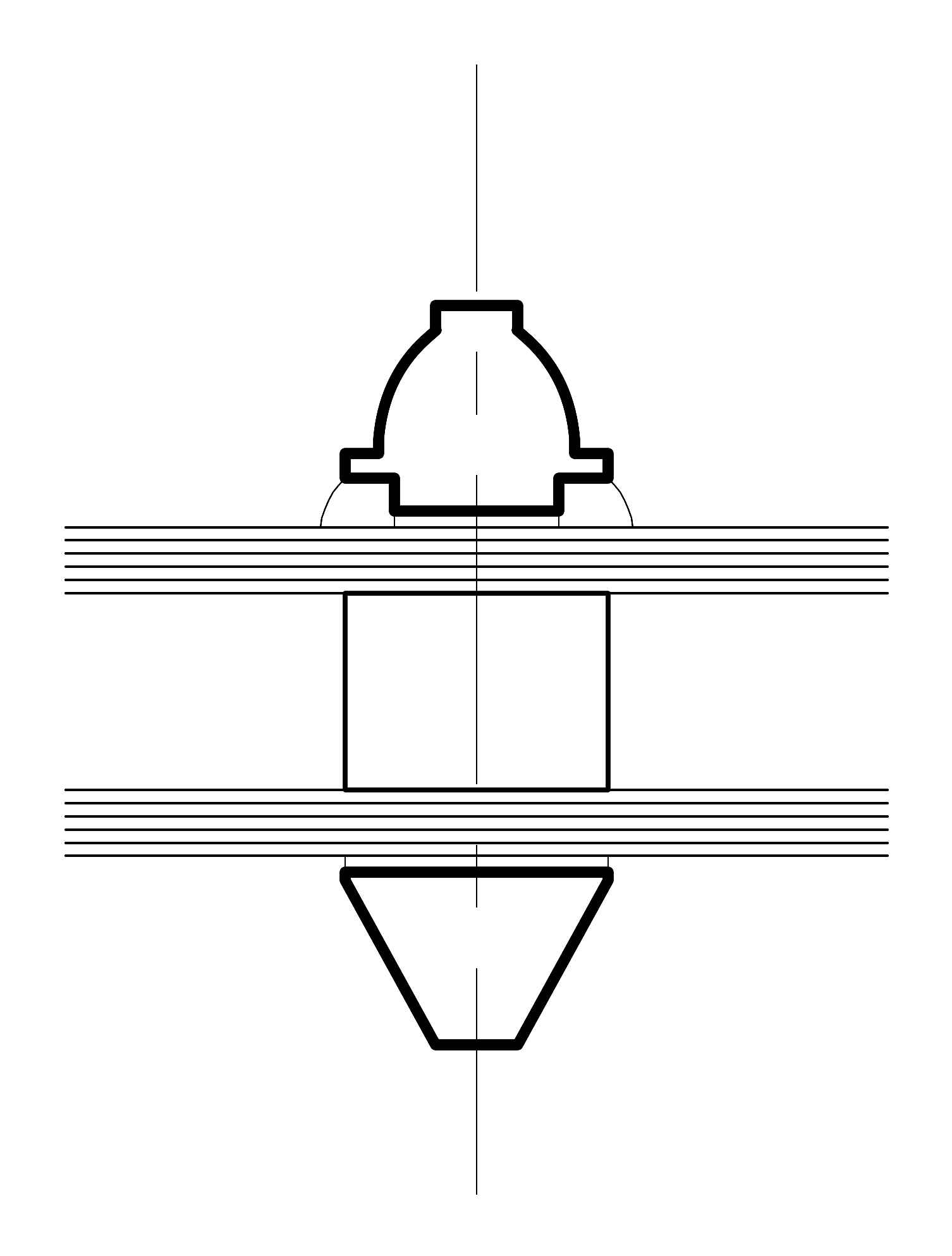
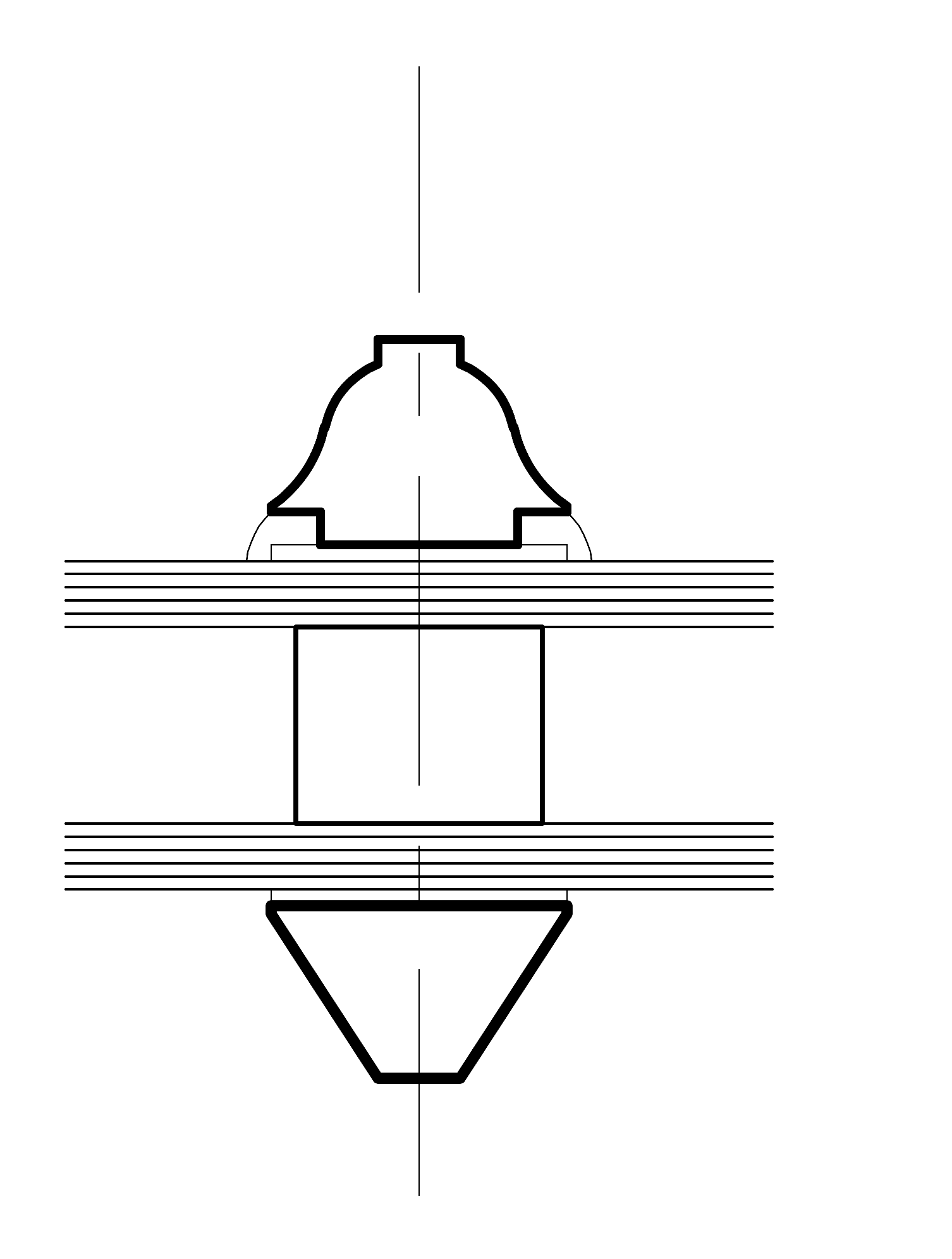
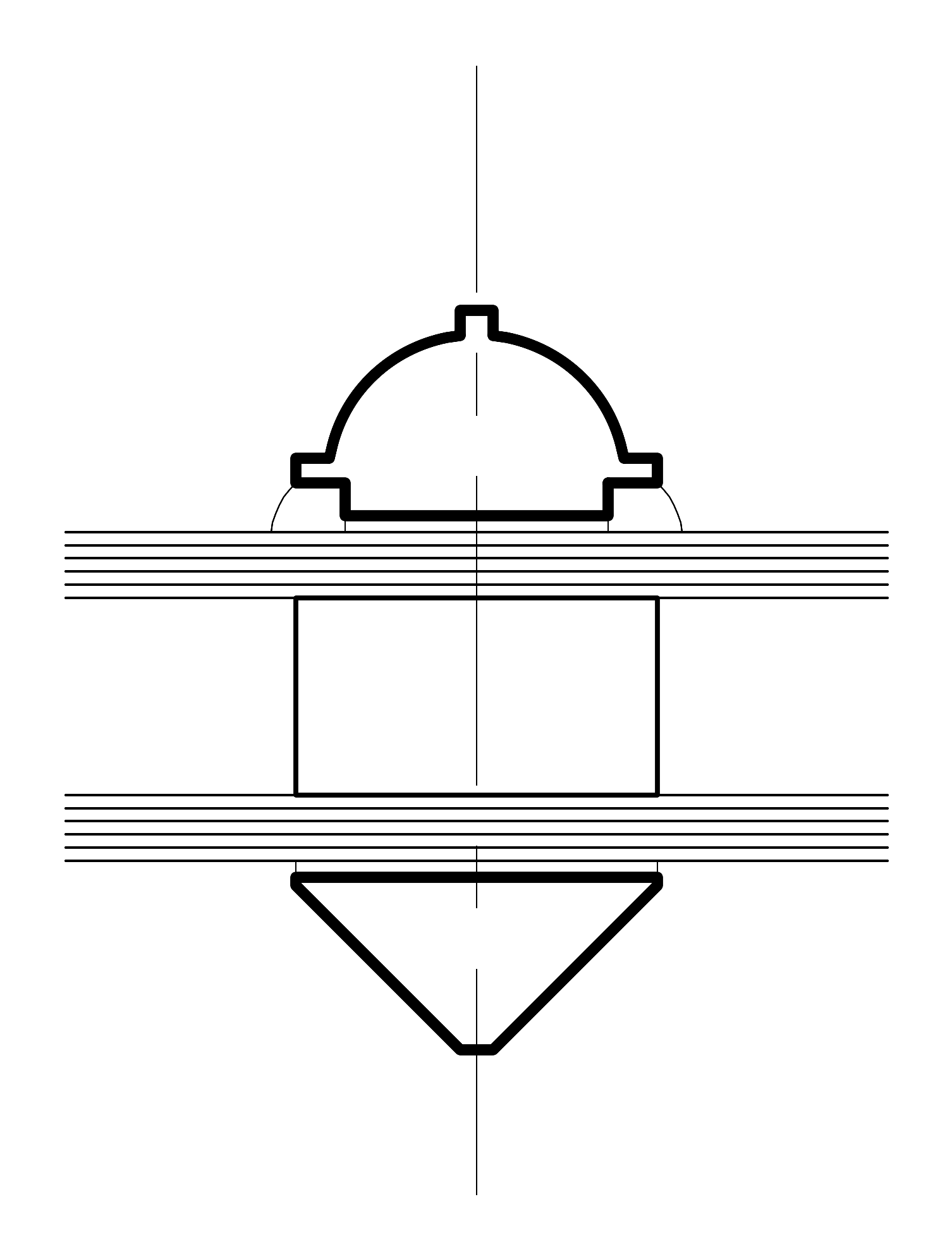
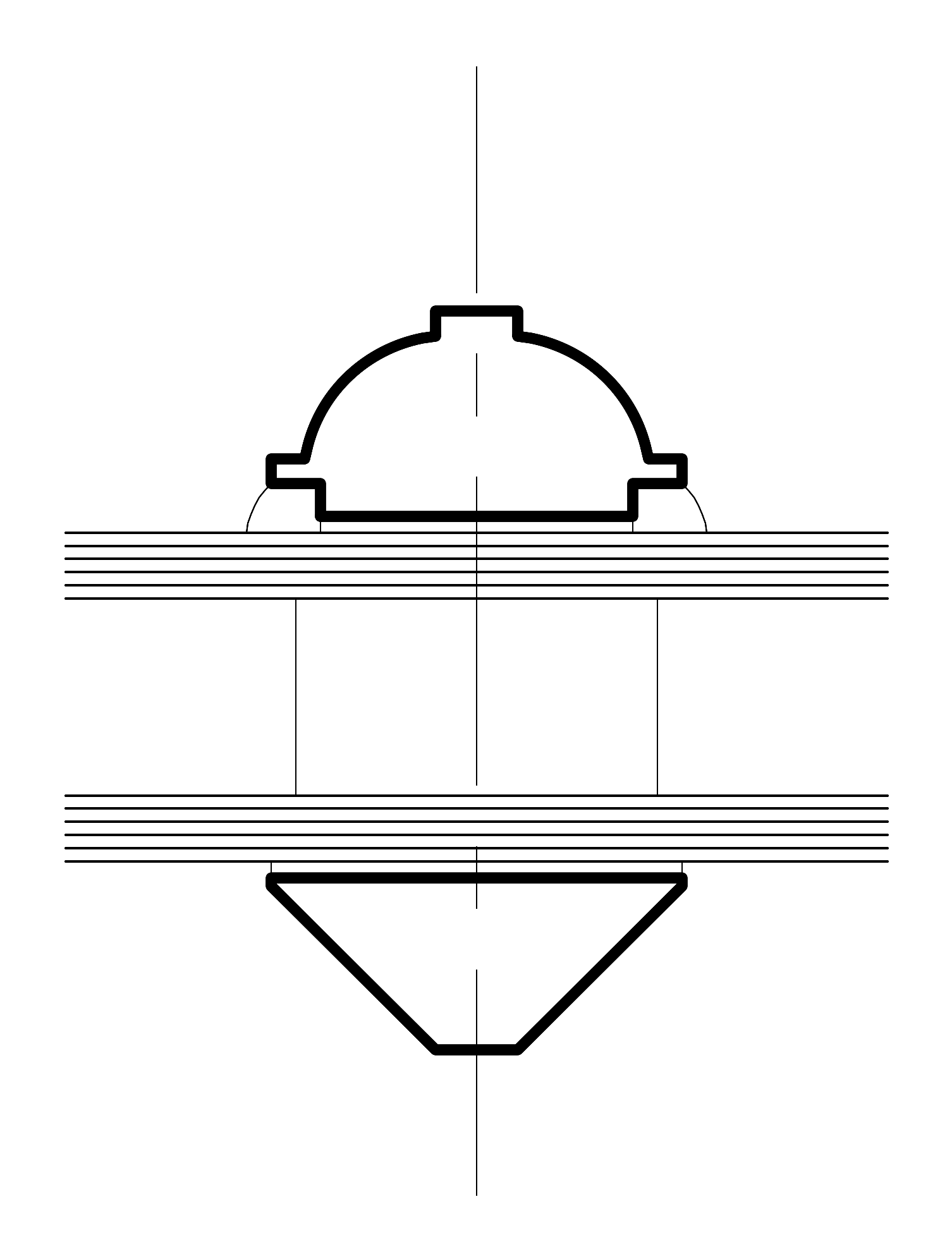
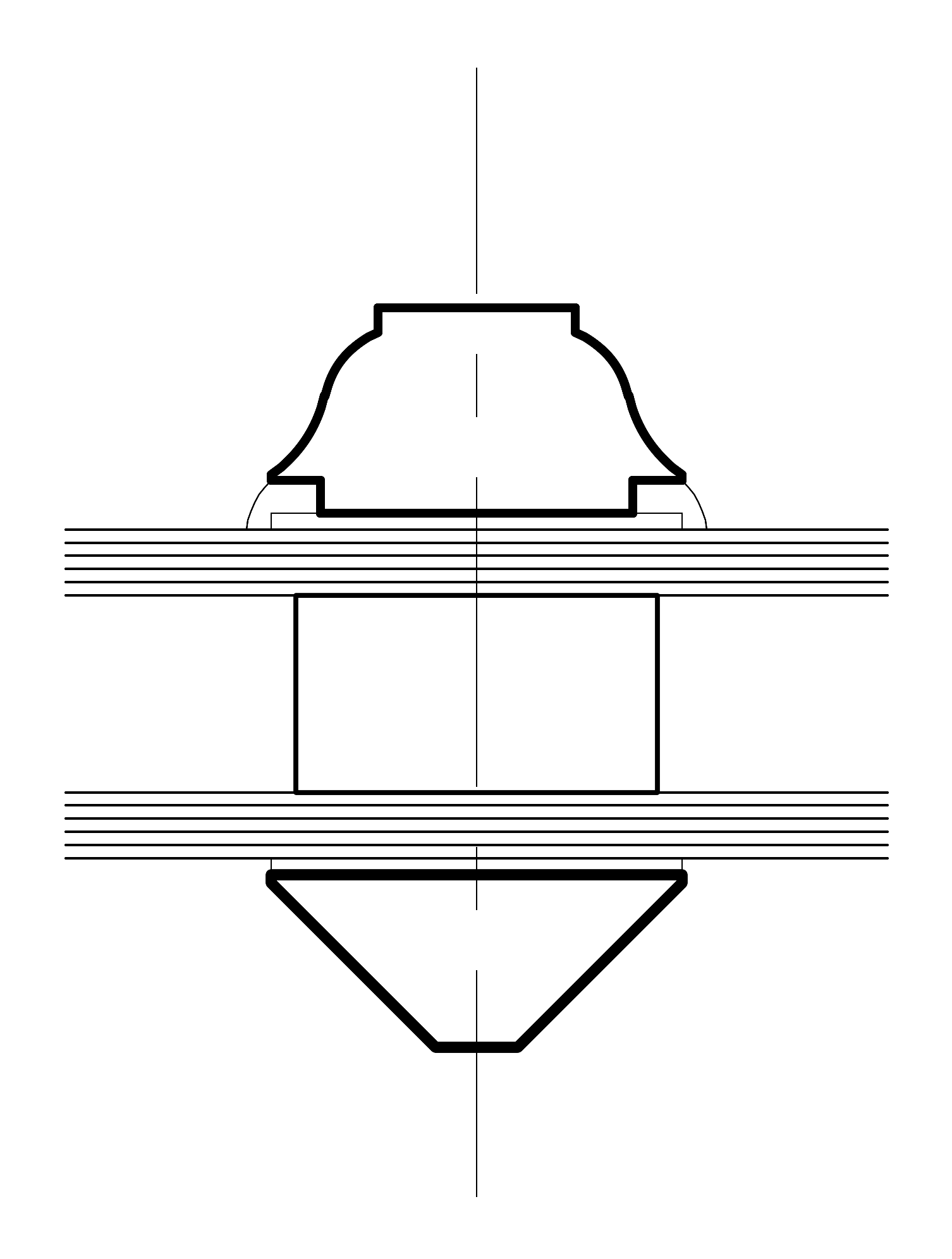
Glazing bars can be produced in a wide range of profiles, with variations in depth and detailing to suit the character of each project. Bespoke profiles can also be developed to match existing joinery, with the options below representing some of the most commonly specified designs.

16MM OVOLO

18MM LAMBS TONGUE

22MM OVOLO

25MM OVOLO

25MM LAMBS TONGUE
Glazing bars can be produced in a wide range of profiles, with variations in depth and detailing to suit the character of each project. Bespoke profiles can also be developed to match existing joinery, with the options below representing some of the most commonly specified designs.